
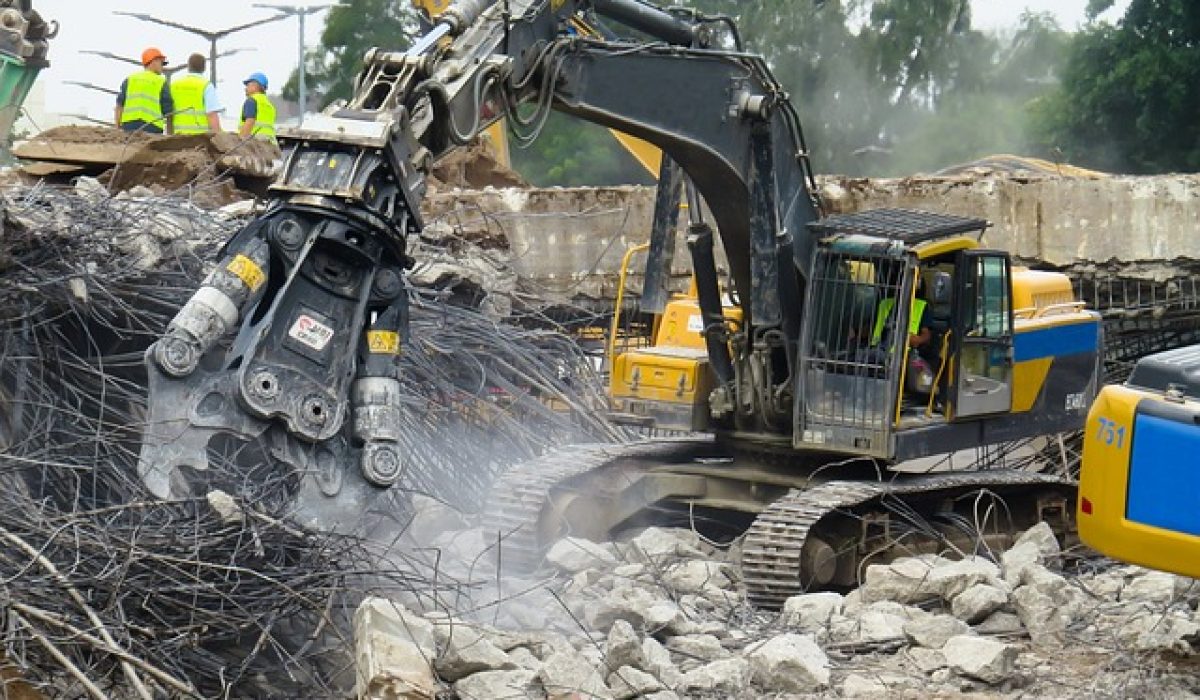
In the world of industrial equipment, few machines have become as indispensable as excavators. Whether your company operates in construction, railroad, scrap yards, recycling, or a combination of industries, the excavator plays a crucial role. As a business leader, it is your responsibility to ensure the safety of your workers. While heavy equipment such as excavators can significantly boost a company’s productivity and efficiency, they also pose serious safety risks if not operated and maintained properly. In this comprehensive guide, we will cover everything you need to know about excavator safety to ensure the well-being of your team and the success of your operations.
Certifications and Training for Machine Operators
One of the fundamental pillars of excavator safety is ensuring that every machine operator possesses the appropriate certifications and training. Just like any other profession, without a solid understanding of the fundamentals of their job, operators are more likely to make mistakes that can lead to accidents or damage to the equipment. There are various options available for workers to obtain certifications for heavy equipment operation, with many programs offering online certification that can be completed within a few days. It is crucial for the safety of everyone involved and the overall success of your company that only certified workers are allowed to operate the excavator.
A certified operator understands the do’s and don’ts of excavator operation, including crucial safety protocols such as never overextending the excavator’s arm unless necessary, operating on inclines and declines slowly, and proper digging and piling techniques to prevent ground cave-ins. Without proper certification and training, operators are more likely to compromise safety and make errors that can result in injuries or equipment damage.
The Excavator’s Cab: A One-Person Zone
The excavator’s cab is designed for the operator only, and it is essential to enforce this rule strictly. Overcrowding the cab with additional individuals not only obstructs the operator’s view, leading to inefficiencies and potential accidents, but it also poses a safety hazard as there are not enough seat belts for everyone in an overcrowded cab. Moreover, an overcrowded cab increases the risk of someone accidentally interfering with the excavator’s controls, which could have disastrous consequences. It is vital to communicate and enforce this rule to maintain a safe working environment.
Ground and Work Zone Inspection
Before commencing any operation with the excavator, it is imperative to inspect the ground and work zone thoroughly. This is especially crucial when the job involves digging. Additionally, it is mandatory to call 811 before any excavation work to prevent accidental damage to gas or plumbing lines and avoid electrical or internet service disruptions. A simple inspection and a phone call can prevent potentially catastrophic consequences that could affect an entire community. Even in applications such as scrap yard operations where digging may not be the primary task, it is important for excavator operators to be mindful of any barriers that could impede their work or affect the efficiency of their equipment. Uneven surfaces at job sites should also be identified and avoided whenever possible.
Machine Inspection: Before and After Use
It is easy for workers to overlook the importance of inspecting the excavator before and after each use. As a company owner or manager, it is your responsibility to ensure that workers adhere to this critical safety measure. Developing a comprehensive checklist for pre- and post-operation inspections is essential. The checklist should include items such as checking the oil, inspecting the tracks, and ensuring that attachments are secure. Additionally, it should provide information on the machine’s lifting capacity to ensure that operators are aware of its limits.
Requiring certified workers to consistently complete a checklist not only holds operators accountable but also enables you to make informed decisions regarding machine maintenance and track issues such as oil changes or repairs. This proactive approach to equipment inspection and maintenance not only enhances safety but also contributes to improved operational efficiency.
High-Quality Attachments for Enhanced Safety
While certain attachments may be used more frequently than others based on your company’s primary operations, it is beneficial to have a variety of high-quality excavator attachments available. Whether it’s a construction company using a standard bucket for lifting and digging or a scrap yard operation requiring specialized attachments such as magnets or grapples, ensuring that all components are of high quality is paramount. Attachments are subject to significant wear and tear, and low-quality attachments can fail unexpectedly, leading to accidents and costly repairs.
Investing in high-quality attachments upfront reduces the risk of premature failures on the job, contributing to a safer working environment and minimizing operational disruptions due to equipment malfunctions.
In conclusion, regardless of your company’s experience or industry, safety should always be the top priority. This guide provides a comprehensive overview of excavator safety essentials; however, it is crucial for all operators to be familiar with their excavator’s user manual for detailed information on maintenance, safety tips, and proper operation. By prioritizing safety and ensuring that all workers are well-trained and equipped with the necessary knowledge and certifications, you can create a work environment that promotes efficiency, productivity, and most importantly, the well-being of your team.