When it comes to construction and excavation projects, choosing the right equipment is crucial for getting the job done efficiently and effectively. Excavators and mini excavators are two popular choices for digging, lifting, and moving heavy materials, but how do you know which one is the best fit for your specific needs? In this article, we will compare excavators and mini excavators to help you make an informed decision on which one to choose for your next project.
Excavators
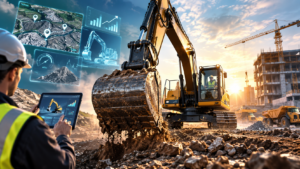
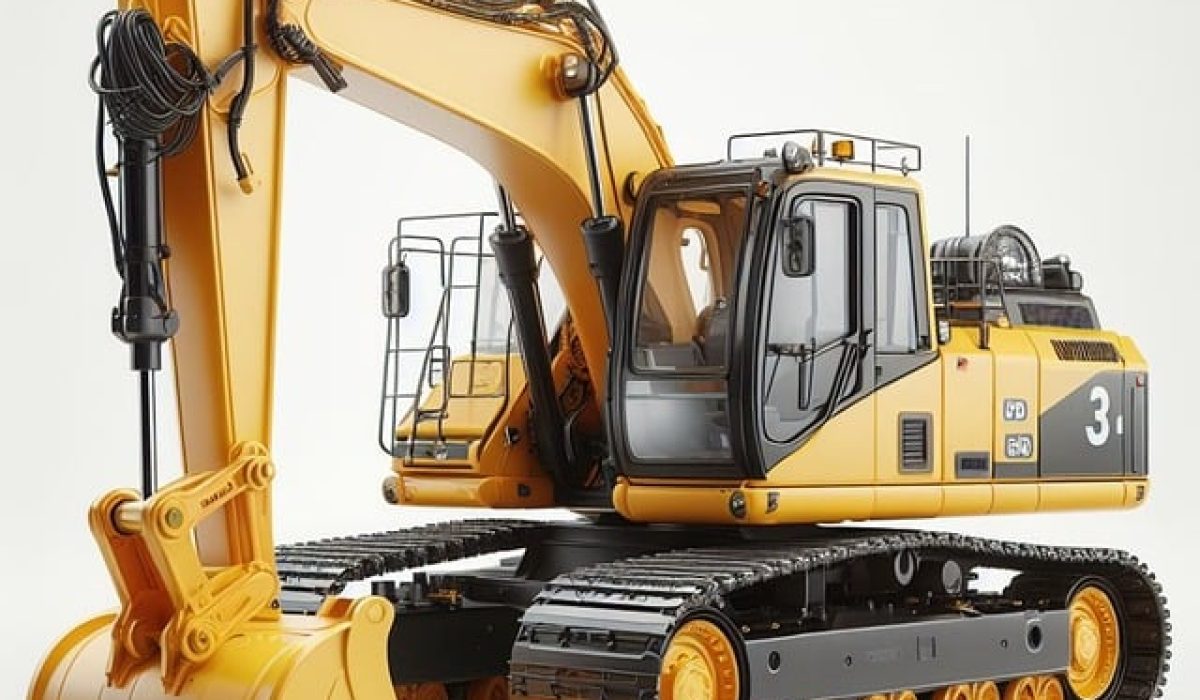
Excavators, also known as diggers or hydraulic excavators, are heavy construction equipment consisting of a boom, dipper (or stick), bucket, and cab on a rotating platform known as the “house”. They are commonly used for digging trenches, holes, and foundations, as well as for handling materials, demolition, and landscaping. Excavators come in a variety of sizes and configurations, ranging from compact mini excavators to large, heavy-duty models.
Mini Excavators
Mini excavators, also referred to as compact excavators or mini diggers, are smaller and lighter versions of traditional excavators. They typically weigh between 1,500 and 7,000 kilograms and are designed for working in tight spaces where larger excavators cannot operate. Mini excavators are versatile machines that can perform a wide range of tasks, including digging, trenching, lifting, and loading. They are popular choices for residential construction, landscaping, utility work, and small-scale excavation projects.
Excavators Vs Mini Excavators Comparison
Size and Maneuverability
One of the most significant differences between excavators and mini excavators is their size and maneuverability. Excavators are larger and more powerful machines, making them suitable for heavy-duty excavation and construction projects. They are equipped with a higher horsepower engine and a larger hydraulic system, allowing them to handle more significant loads and operate more efficiently in challenging conditions. Mini excavators, on the other hand, are compact and lightweight, making them ideal for working in confined spaces and on sensitive surfaces. Their smaller size also allows them to be transported more easily to and from job sites.
Digging Depth and Reach
Another important factor to consider when choosing between an excavator and a mini excavator is their digging depth and reach. Excavators are capable of digging deeper and reaching further than mini excavators, making them better suited for large-scale excavation projects that require significant digging depth. Mini excavators, while not as powerful as their larger counterparts, are still capable of digging to respectable depths and reaching moderate distances. For smaller-scale projects or tasks that require precision and maneuverability, a mini excavator may be the better choice.
Versatility and Attachments
Both excavators and mini excavators can be equipped with a variety of attachments to increase their versatility and functionality. Excavators can be fitted with attachments such as hydraulic breakers, grapples, thumbs, and augers to perform tasks beyond traditional digging and lifting. Mini excavators can also be outfitted with similar attachments, allowing them to tackle a wide range of jobs with just one machine. While excavators may have a broader range of available attachments due to their larger size and power capacity, mini excavators are still highly versatile machines that can handle many different tasks with the right attachments.
Cost and Maintenance
The cost of renting or purchasing an excavator versus a mini excavator is another essential consideration for many construction professionals. Excavators tend to be more expensive to acquire and operate due to their larger size, higher horsepower engine, and increased fuel consumption. Mini excavators are generally more affordable to rent or buy and are more cost-effective to operate over time. Additionally, mini excavators often require less maintenance than their larger counterparts, resulting in lower long-term ownership costs.
Which One Should You Choose?
Ultimately, the decision between an excavator and a mini excavator comes down to the specific requirements of your project. If you are working on a large-scale excavation or construction project that demands significant digging depth, lifting capacity, and power, an excavator may be the best choice for you. On the other hand, if you need a versatile, compact machine for smaller-scale tasks in tight spaces, a mini excavator may be the more practical option.
It’s essential to consider factors such as project size, site conditions, budget constraints, and required attachments when making your decision. Consulting with equipment rental professionals or construction experts can also provide valuable insights into which machine will best suit your needs.
In conclusion, both excavators and mini excavators are valuable tools for construction and excavation projects, each offering unique advantages depending on the specific requirements of the job. By understanding the differences between these two types of machines and carefully evaluating your project needs, you can make an informed decision on whether an excavator or a mini excavator is the right choice for you.