
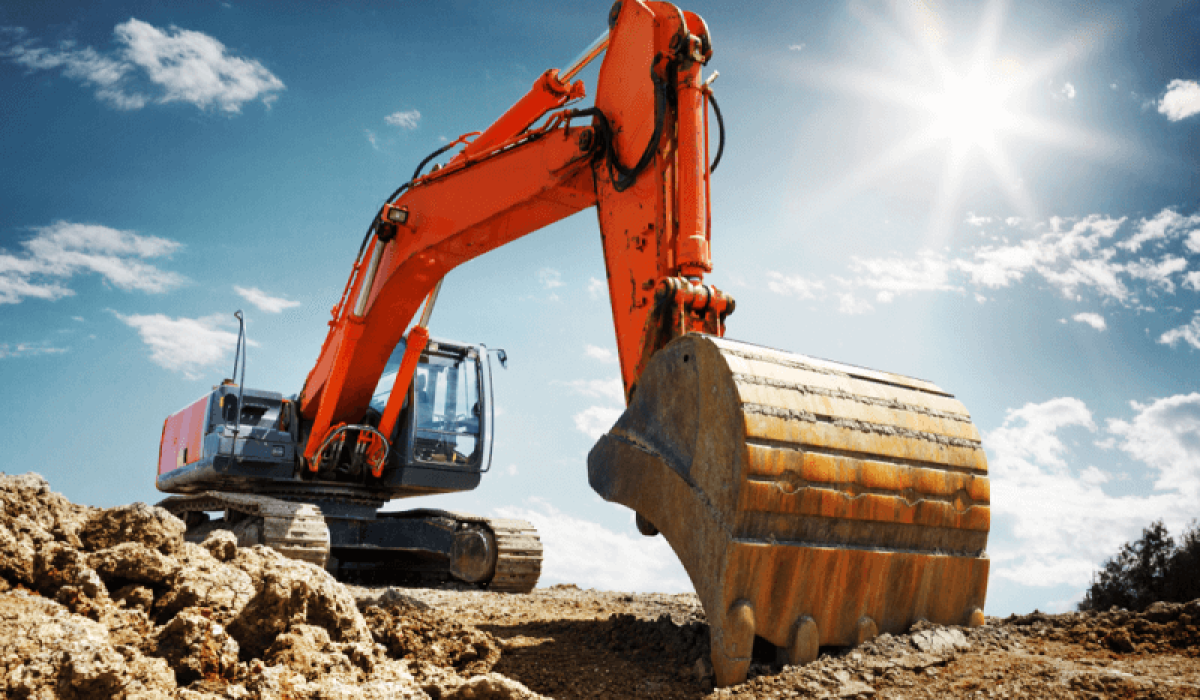
Investing in heavy equipment for your construction fleet is a significant decision, especially when it comes to purchasing a new excavator. Here’s a detailed overview of key factors to consider before making this important investment.
Understanding the Investment
Purchasing a new excavator entails a substantial financial commitment. Given the significant expense involved, it’s imperative to ensure that the chosen machine aligns with your operational needs and offers a favorable return on investment over its lifespan.
Size Matters
Excavators come in various sizes, each catering to specific job requirements:
- Mini Excavators (Under 7 tons):
- Ideal for small-scale projects and confined spaces.
- Minimal surface damage due to their compact size and lower power requirements.
- Standard-sized Excavators (7 to 45 tons):
- Versatile and suitable for a wide range of applications.
- Significant power output, necessitating consideration for potential surface damage.
- Large Excavators (45 to 80 tons):
- Industrial workhorses designed for heavy-duty tasks.
- Less suitable for compact spaces but offer unparalleled power and capacity.
Hydraulic Systems and Attachments
The hydraulic system of an excavator influences its lifting capability and responsiveness:
- Opt for a hydraulic system that ensures efficient operation throughout the work cycle.
- Consider the range of attachments you’ll utilize, such as buckets, augers, and hammers.
- Ensure compatibility between the excavator’s hydraulic flows and the attachments you intend to use.
Transportation Logistics
Transportation considerations are crucial when acquiring an excavator:
- Assess whether your existing fleet and trailers can accommodate the new machine.
- Account for factors like weight limits on road bridges and additional certifications for drivers.
- Plan for any necessary trailer attachments and incorporate associated costs into your budget.
Learn More: Best Mini Excavators for Your Next Project
Control Preferences
Excavator controls can adhere to ISO or SAE standards, impacting operator comfort and efficiency:
- ISO standards typically assign right-hand controls for stick and bucket motion, and left-hand controls for swing and boom movement.
- SAE standards follow the opposite configuration.
- Consult with your operators to determine their preference and ensure compatibility with the chosen excavator’s control layout.
- Some excavators offer the flexibility to switch between ISO and SAE control modes, providing versatility to accommodate operator preferences.
By carefully considering these factors, you can make an informed decision when purchasing an excavator, ensuring it meets your operational requirements and delivers optimal performance and value over its operational lifespan.
Learn More: The Ultimate Buying Guide on Hydraulic Breaker Hammer
Conclusion
Investing in an excavator is a significant decision that requires careful consideration of various factors, including size, attachments, transportation logistics, and control preferences. By partnering with Great West Equipment, you gain access to a trusted provider with extensive experience and a diverse inventory of excavators and attachments. Their knowledgeable professionals can guide you through the selection process, ensuring you find the perfect excavator to meet your needs and achieve success in your construction projects.